Free Protein Calculator — Find Your Daily Protein Intake | WellCal

Protein Intake Calculator

Personalized protein recommendations based on your goals

Daily protein target 112 grams
1.6 g per kg body weight
Minimum 84 g
Optimal 112 g
Maximum 140 g
⬇️
Low Moderate High

How it's calculated

  • Weight: 70 kg
  • Activity multiplier: 1.0x
  • Goal multiplier: 1.2x
  • Combined factor: 1.6 g/kg
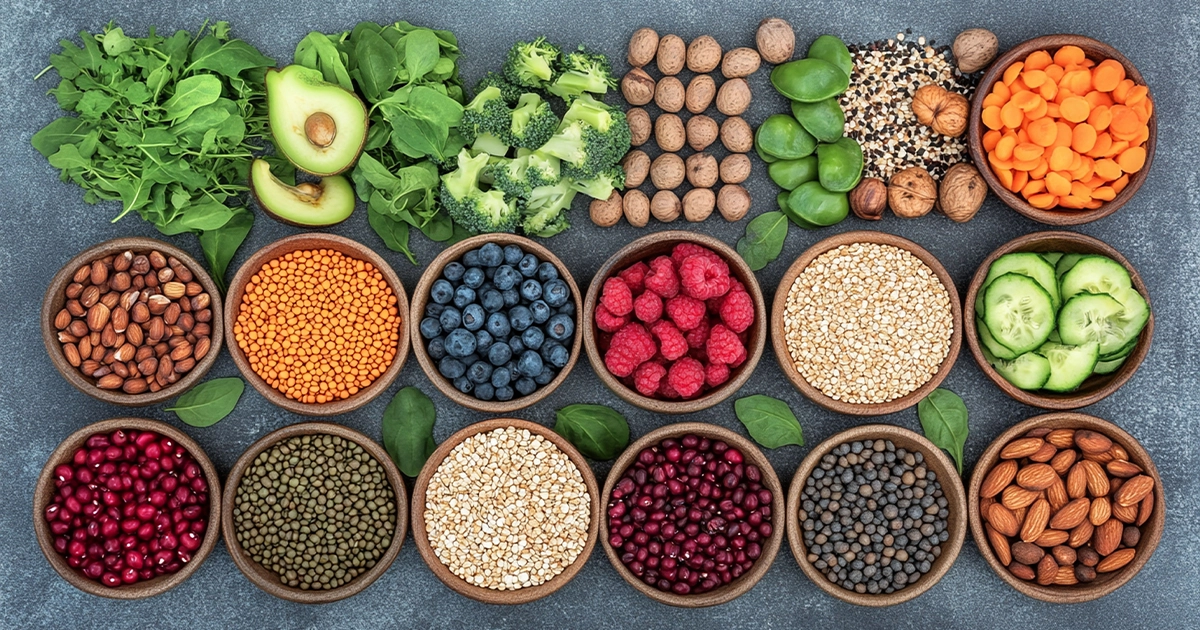
🥩 Good sources: lean meats, fish, eggs, dairy, legumes, tofu, protein supplements.
Based on current sports nutrition guidelines. Individual needs may vary.

What Is a Protein Calculator & How Does It Work?

A protein calculator estimates the optimal daily protein intake for an individual based on their body weight, activity level, age, sex, and primary health goal. Protein is one of three essential macronutrients and serves as the structural raw material for every cell in the body — from muscle fibres to immune antibodies. The minimum dietary requirement for healthy adults is established by the World Health Organization at 0.8 g per kilogram of body weight per day, a figure also adopted as the Recommended Dietary Allowance (RDA) by the U.S. National Academies of Sciences, Engineering, and Medicine. For athletes and active individuals, research compiled by the American College of Sports Medicine recommends significantly higher intakes — up to 2.0 g/kg/day or more — to support muscle repair, adaptation, and performance.

WellCal's protein calculator applies the body-weight multiplier method: Daily Protein (g) = Body Weight (kg) × Activity/Goal Multiplier (g/kg). The multiplier is selected automatically based on your inputs — ranging from 0.8 g/kg for a sedentary adult maintaining current weight, up to 2.2 g/kg for someone in a caloric deficit aiming to maximise muscle retention. This methodology is consistent with guidelines published by the Mayo Clinic and the Centers for Disease Control and Prevention. Unlike fixed generic targets, a weight-adjusted formula acknowledges that a 60 kg woman and a 100 kg man have fundamentally different absolute protein needs even if their activity levels are identical.

Protein intake does not exist in isolation — it is most effective when calibrated alongside your total calorie needs and overall macronutrient split. After finding your protein target here, consider using the WellCal Calorie Calculator to set your energy baseline, then dial in your full macronutrient breakdown with the Macro Calculator. If weight management is part of your goal, your BMI Calculator result can provide useful context when interpreting whether your current protein intake is supporting a healthy body composition.

Medical Disclaimer:

The results produced by this protein calculator are for general wellness education and informational purposes only. They are not a substitute for personalised medical or nutritional advice from a licensed healthcare provider.

Important exclusions and limitations:
  • This tool is designed for healthy adults aged 18 and over. It is not appropriate for children or adolescents.
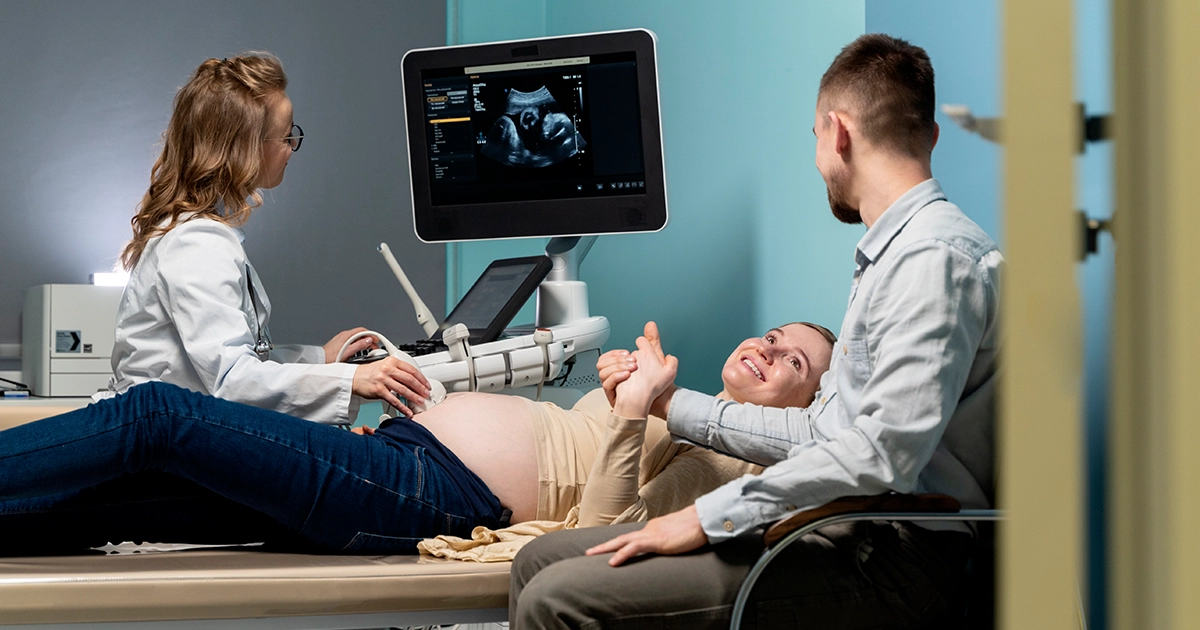
  • Pregnant and breastfeeding individuals have elevated protein requirements not fully captured by standard formulas. Please consult your midwife, obstetrician, or dietitian.
  • People with kidney disease (CKD), liver disease, or other conditions that affect protein metabolism should not rely on this calculator. High protein intakes can be harmful in certain clinical contexts.
  • Always consult a registered dietitian or physician before making significant changes to your diet, especially if you have an existing health condition, take prescription medications, or are recovering from surgery or illness.
Goal / Activity LevelProtein MultiplierExample: 70 kg AdultAuthority Source
Sedentary — weight maintenance0.8 g/kg56 g/dayNational Academies / WHO RDA
Lightly active — general health1.0–1.2 g/kg70–84 g/dayACSM / Academy of Nutrition & Dietetics
Moderately active — endurance training1.2–1.6 g/kg84–112 g/dayACSM Joint Position Statement
Very active — strength / hypertrophy1.6–2.0 g/kg112–140 g/dayBritish Journal of Sports Medicine
Cutting (caloric deficit, muscle preservation)2.0–2.4 g/kg140–168 g/dayInternational Society of Sports Nutrition
Older adults (65+) — sarcopenia prevention1.0–1.2 g/kg (minimum)70–84 g/dayPROT-AGE Study Group / NIH

What Affects Your Protein Needs — And How to Get Your Target Right

Your ideal daily protein intake is not a fixed number — it shifts based on eight evidence-backed factors. Understanding each one helps you interpret your calculator result and adjust it intelligently as your lifestyle changes.

⚖️

Body Weight & Composition — Your Primary Protein Anchor

Protein requirements are primarily driven by lean body mass — the metabolically active muscle, organ, and bone tissue that turns over protein continuously. This is why recommendations are expressed per kilogram of body weight rather than as a flat gram target. A person weighing 90 kg needs more absolute protein than someone at 60 kg, even at the same activity level. Research highlighted by the NIH confirms that adjusting intake to lean mass — rather than total weight — is even more precise, which matters especially for individuals with higher body fat percentages. If you want a deeper picture of your body composition, the WellCal BMI Calculator is a useful companion tool.

🏋️

Exercise Type & Intensity — The Biggest Demand Driver

Physical activity — particularly resistance training and high-intensity endurance exercise — significantly increases the rate of muscle protein breakdown, raising the daily requirement to sustain or build tissue. A joint position statement by the American College of Sports Medicine, the Academy of Nutrition and Dietetics, and Dietitians of Canada recommends 1.2–2.0 g/kg/day for most athletes, with requirements peaking during periods of intense training volume or early-stage strength adaptations. Sedentary individuals can meet their needs at just 0.8 g/kg/day, whereas competitive athletes may need up to 2.4 g/kg/day during aggressive cutting phases. Tracking your training load alongside protein intake is therefore essential — the WellCal Calorie Calculator can help you align your energy expenditure with your intake.

🎯

Health Goal — Muscle Gain vs Fat Loss vs Maintenance

Your primary health goal has a direct and measurable effect on protein needs. During a caloric deficit (fat loss), protein must be elevated — typically to 1.8–2.4 g/kg/day — to protect against muscle protein catabolism, where the body begins breaking down muscle tissue for energy. Conversely, during a caloric surplus aimed at muscle hypertrophy, approximately 1.6–2.0 g/kg/day is sufficient, as extra calories provide the anabolic environment needed for growth. For weight maintenance, the standard 0.8–1.2 g/kg/day range is generally adequate. A landmark meta-analysis in the British Journal of Sports Medicine found that intakes above 1.62 g/kg/day provide no additional muscle-building benefit in a caloric surplus, suggesting diminishing returns beyond this threshold. Pair your protein goal with your full macro split using the WellCal Macro Calculator.

🎂

Age — Why Older Adults Need More, Not Less

Contrary to popular assumption, protein needs increase with age rather than decrease. From around age 40 onward, the body becomes less efficient at converting dietary protein into muscle tissue — a phenomenon called anabolic resistance. The PROT-AGE Study Group, a consensus of leading gerontology researchers, recommends that adults over 65 consume at least 1.0–1.2 g/kg/day to counteract the progressive loss of muscle mass and function known as sarcopenia — which affects an estimated 10–20% of older adults globally. Higher intakes of 1.2–1.5 g/kg/day are suggested for those with acute or chronic illness. Adequate protein in older adults is also strongly linked to better bone density outcomes, as tracked by tools like the WellCal Body Age Calculator.

🩺

Health Status & Recovery — Injury, Surgery & Illness

Illness, surgery, wounds, and significant physiological stress substantially increase the body's protein demands. Post-surgical patients, burn victims, and people recovering from major trauma may require 1.5–2.5 g/kg/day to support tissue repair, immune function, and recovery. The European Society for Clinical Nutrition and Metabolism (ESPEN) recommends that critically ill patients in ICU settings receive at least 1.3 g/kg/day to prevent muscle wasting, with higher targets for those with severe burns or major trauma. These clinical contexts require medical supervision rather than a standard calculator, but understanding the principle underscores why protein is not just a fitness nutrient — it is a fundamental healing resource. General health metrics worth monitoring alongside recovery include those tracked by the WellCal Diabetes Risk Calculator, as metabolic health is closely intertwined with recovery capacity.

🌱

Dietary Pattern — Animal vs Plant Protein Sources

Not all dietary protein is created equal. Animal-sourced proteins (meat, fish, eggs, dairy) are considered "complete proteins" — they contain all nine essential amino acids in proportions that closely match human needs. Most plant proteins are "incomplete," meaning they are low in one or more essential amino acids. For this reason, people following vegan or predominantly plant-based diets are often advised to increase their target by approximately 10–15% above standard recommendations to compensate for lower bioavailability and amino acid scores, as outlined by the International Society of Sports Nutrition. Combining complementary plant proteins — such as rice and legumes — effectively creates complete amino acid profiles. For a fuller picture of your plant-based nutrition, the WellCal Fiber Calculator can help ensure your high-protein plant foods are also supporting gut health.

🕐

Meal Timing & Distribution — Spreading Intake for Maximum Benefit

How you distribute your protein across the day matters almost as much as hitting your total. Muscle protein synthesis (MPS) — the biological process by which muscles are repaired and built — is optimally stimulated by doses of approximately 20–40 g of protein per meal, with responses plateauing above this threshold in most individuals. A 2018 systematic review in the Journal of the International Society of Sports Nutrition found that spreading protein evenly across three to five meals per day produces superior muscle retention outcomes compared with the same total intake consumed in one or two large meals. The practical implication: if your calculator gives you a 150 g/day target, aim for five meals with 30 g each rather than a single massive dinner. Good sleep also influences overnight muscle protein synthesis, making the WellCal Sleep Calculator a relevant companion for anyone focused on body composition goals.

💧

Hydration — The Overlooked Protein Partner

Protein metabolism generates nitrogenous waste products — primarily urea — that must be excreted by the kidneys. As protein intake rises, so does the kidney's filtration workload and its demand for water. Research published in the Annals of Nutrition & Metabolism notes that inadequate hydration alongside elevated protein consumption can concentrate urinary urea, placing unnecessary strain on renal function. For healthy adults, drinking at least 35 ml of water per kilogram of body weight per day — slightly above standard general recommendations — is advisable when following a high-protein diet. Use the WellCal Water Intake Calculator to find your personalised daily hydration target and ensure your kidneys can efficiently process the protein you consume.

What a Protein Calculator Doesn't Tell You — Important Limitations

A protein calculator is a powerful starting point, but no formula captures every nuance of human physiology. Understanding these six limitations helps you use your result intelligently rather than rigidly.

🧬
Individual Genetic Variation
Population-level protein formulas are built on averages — they cannot account for genetic differences in muscle protein synthesis rates, amino acid absorption efficiency, or metabolic individuality. Twin studies show that protein utilisation can vary by 20–30% between genetically distinct individuals on identical intakes. Use your calculator result as a starting range, not a precise prescription, and adjust based on real-world outcomes such as strength progress or body composition changes over six to eight weeks.
🔬
Protein Quality Is Ignored
The calculator outputs a gram target but cannot assess the amino acid completeness of what you actually eat. Twenty grams of protein from a chicken breast and twenty grams from white rice differ significantly in digestibility and leucine content — a key amino acid for triggering muscle protein synthesis. If you follow a plant-based diet, your effective protein need may be 10–15% higher than the calculator's result. Focus on combining protein sources and prioritising those with high Digestible Indispensable Amino Acid Scores (DIAAS), a quality metric endorsed by the macro planning framework.
🫀
No Medical Context
The formula does not know whether you have kidney disease, liver dysfunction, phenylketonuria, or any other condition that fundamentally alters protein requirements or tolerance. High-protein diets have been shown to accelerate disease progression in people with pre-existing chronic kidney disease (CKD), as protein metabolism increases renal filtration load. If you have any diagnosed metabolic or organ condition, always consult a physician or registered dietitian before raising your protein intake, regardless of what the calculator suggests.
📅
Static Snapshot, Not a Dynamic Plan
Your protein result reflects your inputs at the moment of calculation. If your weight changes by 5 kg, you begin a new training programme, shift from fat loss to maintenance, or recover from injury, your optimal intake shifts accordingly. A single calculation is not a permanent target — it should be re-evaluated every four to eight weeks or any time your activity level, health status, or goal changes materially. Pair updates with a recalculation on the WellCal Calorie Calculator to keep your full nutritional picture in sync.
🍽️
Timing & Distribution Not Assessed
The calculator tells you how much protein to eat per day but offers no guidance on when to eat it or how to distribute it across meals — both of which materially affect outcomes. Consuming 150 g of protein in a single sitting produces a fraction of the muscle protein synthesis response you would get from the same total spread across five 30 g servings. Research consistently shows that even protein distribution across three to five meals per day optimises muscle protein synthesis, particularly for those over 40 where anabolic efficiency is reduced.
🧪
Not a Substitute for Lab Testing
Calculator-based protein recommendations cannot replace clinical assessment of your actual body composition, kidney function, or nitrogen balance — measurements available only through laboratory testing or DEXA scanning. If you are an elite athlete, have a history of disordered eating, or are managing a complex health condition, a sports dietitian or physician can conduct objective assessments and issue targets calibrated to your individual physiology. Think of your calculator result as a hypothesis to test, not a clinical prescription to follow without monitoring your response over time.

Complete Your Health Profile with These Free Tools

Your daily protein target is the foundation — now build the full picture. These eight free WellCal calculators each answer a question that directly connects to how effectively you can hit, use, and benefit from your protein goal.

🔥
Calorie Calculator
Protein works best within the right calorie context — find your daily energy target to determine whether you're eating in a deficit, surplus, or maintenance alongside your protein goal.
Use Calculator →
📊
Macro Calculator
Once you have your protein target, use the macro calculator to set your carbohydrate and fat allocations so your full dietary intake supports your goal — whether that's muscle building, fat loss, or performance.
Use Calculator →
📏
BMI Calculator
Your BMI gives useful context for interpreting your protein result — a higher BMI may indicate that protein targets based on lean body mass would be more precise than total body weight multipliers.
Use Calculator →
💧
Water Intake Calculator
High protein diets increase kidney filtration demands and urea excretion — find your personalised daily water target to ensure your body can efficiently metabolise the protein you're consuming.
Use Calculator →
😴
Sleep Calculator
The majority of muscle protein synthesis occurs during deep sleep — optimising your sleep schedule ensures your body actually uses the protein you eat each day to repair and build tissue.
Use Calculator →
🥦
Fiber Calculator
Many high-protein whole foods — legumes, lentils, edamame — are also fibre-rich; knowing your fibre target helps you choose protein sources that simultaneously support gut health and satiety.
Use Calculator →
🫀
Cholesterol Ratio Calculator
Some high-protein animal foods — such as red meat and full-fat dairy — can influence cholesterol levels; check your cholesterol ratio to ensure your protein food choices support cardiovascular health.
Use Calculator →
🩸
Diabetes Risk Calculator
Adequate protein intake supports stable blood glucose and insulin sensitivity — assess your diabetes risk score alongside your protein goal to understand how diet is influencing your metabolic health.
Use Calculator →

Frequently Asked Questions About Protein Intake

What is a protein calculator?
A protein calculator is a tool that estimates how many grams of protein your body needs each day based on personal factors such as body weight, age, sex, activity level, and health goals. Most calculators use established formulas derived from research by organisations like the World Health Organization and the National Institutes of Health. Unlike the generic Recommended Dietary Allowance of 0.8 g per kilogram of body weight — which represents the minimum for sedentary adults — a personalised calculator accounts for the significant variation in protein needs between individuals, particularly between sedentary adults and those who are highly active. After finding your protein target here, you can set your full nutritional framework using the WellCal Macro Calculator and the Calorie Calculator.
How accurate is a protein calculator?
Protein calculators provide a reliable scientific estimate but not a clinical prescription. Studies show that formula-based protein recommendations closely match measured nitrogen balance data in most healthy adults, making them accurate enough to guide practical dietary planning. However, accuracy depends on how precisely you input your data — particularly body weight and activity level, which are the two most influential variables. Results may be less precise for people with kidney disease, liver conditions, or other metabolic disorders where protein metabolism is altered; in these cases, targets should be set in consultation with a registered dietitian or physician. For healthy adults, the result from this calculator is an excellent evidence-based starting point, and you can assess whether your overall dietary pattern is aligned using the WellCal BMI Calculator alongside it.
What formula does the WellCal protein calculator use?
WellCal's protein calculator uses the widely accepted body-weight multiplier method endorsed by the American College of Sports Medicine and the Academy of Nutrition and Dietetics. The core formula is: Daily Protein (g) = Body Weight (kg) × Protein Multiplier (g/kg). The multiplier varies from 0.8 g/kg for sedentary adults (the minimum RDA established by the Institute of Medicine) up to 1.6–2.2 g/kg for athletes or those in a caloric deficit seeking to preserve muscle mass, and as high as 2.4 g/kg during aggressive cutting phases. The calculator automatically selects the appropriate multiplier based on your stated activity level and primary health goal, meaning you receive a personalised estimate rather than a one-size-fits-all number. For context on your caloric environment alongside this protein target, use the WellCal Calorie Calculator.
Do men and women need different amounts of protein?
Yes — absolute protein needs differ between men and women primarily because of differences in average body weight and lean muscle mass, not because of an inherent metabolic difference per kilogram of tissue. When expressed as grams per kilogram of body weight, protein recommendations are essentially the same for both sexes at equivalent activity levels. A 70 kg man and a 70 kg woman with identical training programmes need approximately the same protein per kilogram. However, women who are pregnant or breastfeeding have significantly elevated requirements: the WHO recommends an additional 1–9 g/day during pregnancy and up to 19 g/day above baseline during the first six months of breastfeeding. Hormonal differences may also influence muscle protein synthesis rates across the menstrual cycle, meaning the timing and distribution of protein intake can be particularly important for women engaged in strength training.
What is a healthy protein intake for men?
For healthy adult men, the minimum recommended dietary allowance is 0.8 g of protein per kilogram of body weight per day — equivalent to roughly 56 g/day for a 70 kg man. However, this represents the floor rather than the optimum for most active men. The American College of Sports Medicine recommends 1.2–2.0 g/kg/day for those engaged in regular endurance or strength training, translating to approximately 84–140 g/day for a 70 kg man. A landmark meta-analysis in the British Journal of Sports Medicine found that protein intakes above approximately 1.62 g/kg/day provide diminishing additional returns for muscle building during a caloric surplus, though staying at the higher end can support fat loss during a caloric deficit by reducing muscle protein catabolism. Use the WellCal Macro Calculator to incorporate your protein target into a complete daily macronutrient plan.
What is a healthy protein intake for women?
The minimum recommended dietary allowance for adult women is 0.8 g/kg/day — approximately 46 g/day for a 57 kg woman — but this is only appropriate for sedentary individuals. Active women, particularly those doing resistance training, benefit from 1.2–1.8 g/kg/day to support muscle repair and maintenance. Women over 50 may require protein at the higher end of these ranges, as declining estrogen levels reduce anabolic signalling efficiency, making adequate protein intake more critical for preserving lean mass and bone density. The National Academy of Medicine recommends that pregnant women consume an additional 25 g/day above their baseline in the second and third trimesters. Spreading intake evenly across meals — aiming for 20–30 g per meal — maximises muscle protein synthesis, a strategy that pairs well with sleep optimisation via the WellCal Sleep Calculator.
What should I do with my protein calculator result?
Your protein calculator result gives you a daily gram target to use as a practical dietary anchor. Start by logging your current protein intake for three to five days using a food tracking app to understand your baseline — many people are surprised to find they consume significantly less than their target, particularly on rest days. Then work toward your target gradually over one to two weeks, prioritising whole-food protein sources such as lean meats, fish, eggs, legumes, Greek yoghurt, and cottage cheese. Pair your protein target with your calorie needs using the WellCal Calorie Calculator, and dial in your full macronutrient distribution with the Macro Calculator. Reassess your protein target every four to eight weeks, or any time your weight changes by more than 3–4 kg, your training intensity shifts significantly, or your primary health goal changes.
Can children and pregnant women use a protein calculator?
This calculator is designed for healthy adults aged 18 and over. Children and adolescents have protein requirements that scale differently with body weight due to growth demands — standard adult multipliers overestimate needs in younger children and may underestimate them in growth-spurting teenagers. Paediatric protein targets should always be assessed by a paediatrician or registered paediatric dietitian. Pregnant and breastfeeding women have elevated protein requirements that standard calculator formulas may underestimate, particularly in the second and third trimesters; they should treat their calculator result as a minimum baseline and consult their midwife, obstetrician, or dietitian for personalised guidance. People with chronic kidney disease (CKD) should not use general protein calculators without medical supervision, as high protein intakes can accelerate renal decline in certain stages of the disease, as noted by the National Institute of Diabetes and Digestive and Kidney Diseases. For general metabolic health context, the WellCal Diabetes Risk Calculator can provide a useful complementary assessment.
How often should I recalculate my protein needs?
As a general rule, recalculate your protein needs every four to eight weeks, or whenever a significant life or lifestyle change occurs. Key triggers for recalculation include: a body weight change of more than 3–5 kg in either direction; a meaningful shift in training type or intensity (for example, moving from a sedentary lifestyle to regular resistance training, or transitioning between muscle-building and fat-loss phases); age-related milestones such as turning 50 or 65, where protein requirements increase; pregnancy or entry into the postpartum period; and recovery from illness, surgery, or prolonged injury. Your protein target is a dynamic number, not a fixed prescription — treating it as a living estimate that evolves with your body ensures it continues to serve your actual physiology. Keep all your health metrics current with the full suite of WellCal's free health calculators, including the Water Intake Calculator to stay ahead of the increased hydration demands that accompany elevated protein consumption.

Blogs