
Uncategorized
7-Day High-Protein Liquid Diet Plan (Medically Guided)
A high-protein liquid diet is a short-term eating plan where all meals come from liquids that are rich in protein.

BMI (Body Mass Index) is a measurement that helps assess whether a person has a healthy body weight relative to their height. It is calculated by dividing your weight in kilograms by your height in meters squared. You can easily calculate your BMI using our BMI Calculator.
The ideal BMI range for adults is generally between 18.5 and 24.9. However, it’s essential to understand that BMI is just a guideline and does not account for muscle mass or fat distribution. For a personalized analysis, check our BMI Calculator.
The daily calorie intake depends on various factors, including age, gender, activity level, and goals (weight loss, maintenance, or gain). You can use our Calorie Calculator to determine your ideal daily calorie needs.
The best way to lose calories is through a combination of regular exercise (like cardio, strength training) and a healthy, balanced diet. Tracking your calories can also help, and our Calorie Calculator is a great tool to get started.
High body fat percentage can increase the risk of developing conditions like heart disease, diabetes, and high blood pressure. For a healthier body, aim to maintain a body fat percentage in a healthy range. To track this, you can use our Body Age Calculator.
Reducing body fat typically requires a combination of a calorie deficit (eating fewer calories than you burn) and regular exercise. Focus on a balanced diet rich in vegetables, lean proteins, and healthy fats. You can calculate your daily caloric needs using our Calorie Calculator.
For women, an ideal body fat percentage typically ranges from 21% to 33%, depending on age and fitness level. Lower body fat percentages are usually seen in athletes. To check your body fat, you can use our Body Fat Calculator.
For men, a healthy body fat percentage generally ranges from 6% to 24%, depending on age and activity level. To check and track your body fat, use our BMI Calculator.
Macronutrients—proteins, fats, and carbohydrates—play a crucial role in weight loss. Balancing your macros can help manage hunger, maintain muscle mass, and regulate metabolism. Use our Macro Calculator to find the right macronutrient ratios for your weight loss goals.
For muscle building, a higher protein intake, combined with moderate carbs and healthy fats, is ideal. Aim for about 1.6 to 2.2 grams of protein per kilogram of body weight daily. Use our Macro Calculator to personalize your intake.
To lose 1 pound per week, you need a calorie deficit of about 500 calories per day. This can be achieved through a combination of reducing calorie intake and increasing physical activity. Use our Calorie Calculator to adjust your intake.
Pregnancy increases your calorie needs. On average, you need an additional 300 calories per day during the second and third trimesters. For personalized advice, refer to our Pregnancy Due Date Calculator.
Tracking your period is essential for understanding your menstrual health. You can use our Period Tracker to predict your cycle and monitor symptoms.
Staying hydrated is crucial during pregnancy as it supports the increased blood volume, amniotic fluid, and fetal development. Drinking enough water can help reduce common pregnancy symptoms like swelling and fatigue. You can track your water intake with our Water Intake Calculator.
A general guideline is to drink at least 8 cups (64 ounces) of water a day, but your water needs may vary based on your activity level, climate, and health. Use our Water Intake Calculator to find your personalized water goal.
Yes, drinking water before meals can help control appetite and reduce overall calorie intake. Staying hydrated also supports your metabolism, making it easier to lose weight. Check out our Water Intake Calculator to ensure you’re drinking enough.
The number of steps needed to burn 500 calories depends on your body weight and walking speed. On average, a person needs to walk about 10,000 steps to burn 500 calories. You can use a pedometer or fitness tracker to monitor your daily steps.
It’s best to track your water intake throughout the day to ensure consistent hydration. Starting your day with a glass of water, followed by regular hydration every couple of hours, can keep you feeling energized and reduce cravings.
Water aids digestion by helping break down food and absorb nutrients. It also prevents constipation and supports the functioning of your digestive system.
Tracking your BMI helps you monitor whether you’re in a healthy weight range, which is crucial for managing health risks like heart disease and diabetes. Use our BMI Calculator to track your progress.
Balancing your macros involves consuming a healthy amount of proteins, fats, and carbohydrates based on your specific goals. You can use our Macro Calculator to help you create a balanced meal plan.
Pregnancy hormones influence metabolism and nutrient absorption, which increases calorie needs. Be sure to monitor your caloric intake carefully with the guidance of a healthcare provider.
Tracking your period is essential for understanding your menstrual health. You can use our Period Tracker to predict your cycle and monitor symptoms.
Staying hydrated is crucial during pregnancy as it supports the increased blood volume, amniotic fluid, and fetal development. Drinking enough water can help reduce common pregnancy symptoms like swelling and fatigue. You can track your water intake with our Water Intake Calculator.
A general guideline is to drink at least 8 cups (64 ounces) of water a day, but your water needs may vary based on your activity level, climate, and health. Use our Water Intake Calculator to find your personalized water goal.
Yes, drinking water before meals can help control appetite and reduce overall calorie intake. Staying hydrated also supports your metabolism, making it easier to lose weight. Check out our Water Intake Calculator to ensure you’re drinking enough.
The number of steps needed to burn 500 calories depends on your body weight and walking speed. On average, a person needs to walk about 10,000 steps to burn 500 calories. You can use a pedometer or fitness tracker to monitor your daily steps.
It’s best to track your water intake throughout the day to ensure consistent hydration. Starting your day with a glass of water, followed by regular hydration every couple of hours, can keep you feeling energized and reduce cravings.
Water aids digestion by helping break down food and absorb nutrients. It also prevents constipation and supports the functioning of your digestive system.
Tracking your BMI helps you monitor whether you’re in a healthy weight range, which is crucial for managing health risks like heart disease and diabetes. Use our BMI Calculator to track your progress.
Balancing your macros involves consuming a healthy amount of proteins, fats, and carbohydrates based on your specific goals. You can use our Macro Calculator to help you create a balanced meal plan.
Pregnancy hormones influence metabolism and nutrient absorption, which increases calorie needs. Be sure to monitor your caloric intake carefully with the guidance of a healthcare provider.
A period tracker helps you monitor your menstrual cycle, ovulation periods, and symptoms, which can provide valuable insights into your overall health. You can use our Period Tracker for this purpose.
Yes, tracking calories can help you understand your eating habits and make healthier food choices. Our Calorie Calculator can help you set goals for weight loss or maintenance.
A high BMI is associated with an increased risk of conditions such as heart disease, type 2 diabetes, and sleep apnea. Regular monitoring and lifestyle adjustments can help mitigate these risks. Use our BMI Calculator to track your BMI.
Your daily calorie needs depend on factors like age, gender, weight, height, and activity level. To find out how many calories you should consume for weight maintenance, use our Calorie Calculator.
To track calories burned during exercise, use a fitness tracker or an online calculator that takes into account the intensity and duration of your workout. Regular monitoring can help you adjust your calorie intake and expenditure.
BMI is a general measure of body weight in relation to height, while body fat percentage specifically measures the proportion of fat in your body. Unlike BMI, body fat percentage provides more insight into your fitness level. You can calculate your body fat percentage using our BMI Calculator.
Improving macronutrient balance involves adjusting your intake of proteins, fats, and carbohydrates based on your health goals. For personalized advice on balancing macros, use our Macro Calculator.
Yes, you can track both calories and macros with tools like the Calorie and Macro Calculator. This allows you to monitor your overall intake and adjust your diet for health goals.
A high-protein liquid diet is a short-term eating plan where all meals come from liquids that are rich in protein.
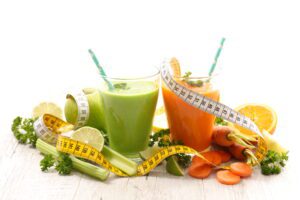
A liquid diet replaces some or all solid foods with liquids for a short period. Many people try liquid diets
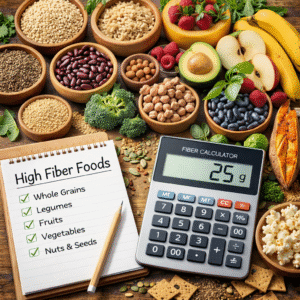
Fiber is an essential nutrient that plays a crucial role in maintaining digestive health, regulating blood sugar levels, and supporting

Aging is a natural part of life, but how we age is influenced by various lifestyle choices. While we can’t
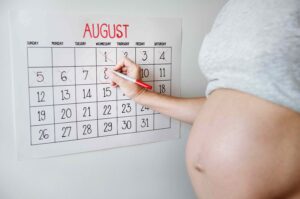
Pregnancy due dates feel like a magical milestone during the journey to parenthood. You enter a date, hit calculate, and

How to Calculate BMI and Body Age for Fitness When it comes to fitness, knowing your body mass index (BMI)