Protein Intake Calculator: How Much Protein Do You Really Need Each Day?
Getting your protein right can feel confusing.
Some calculators say one thing, fitness influencers say another — and then there’s advice for athletes, older adults, and people trying to lose weight.
Here’s the truth:
👉 Your ideal daily protein intake depends on your body, goals, and lifestyle — not a one-size-fits-all number.
In this guide, you’ll learn:
✔️ How much protein you actually need per day
✔️ The science behind protein recommendations
✔️ How to use a protein intake calculator correctly
✔️ Example protein charts by weight and activity level
✔️ The best foods to reach your target (without stressing)
(And yes — we’ll also clear up a few myths.)
Quick Answer: How Much Protein Do I Need Per Day?
Most healthy adults do well within this range:
- General health: 0.8 g per kg (0.36 g per lb)
- Active / exercising: 1.2–1.7 g per kg
- Strength training or building muscle: 1.6–2.2 g per kg
- Older adults: 1.0–1.2 g per kg
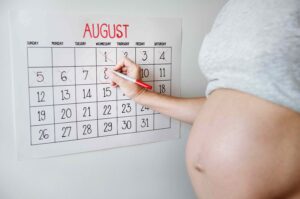
- Pregnancy / breastfeeding: +25 g per day (consult your provider)
These ranges are consistent with widely accepted recommendations found in nutrition research and professional dietary guidance .
But instead of guessing, let’s personalize it.
Use a Protein Intake Calculator (The Right Way)
A high-quality protein calculator factors in:
- Age
- Sex
- Height
- Weight
- Activity level
- Body goals (lose, gain, maintain)
Some calculators also estimate calories and macronutrients, but the most important outcome is this:
👉 How many grams of protein per day will support your health and goals — without overdoing it.
Many generic tools simply multiply your weight by a single formula. Better calculators use science-backed metabolic equations (like Mifflin-St Jeor) to estimate energy needs and then apply appropriate protein ratios — similar to approaches discussed in competitor pages .
Why Protein Matters More Than You Think
Protein isn’t just for athletes.
It plays essential roles in your body, including:
- Builds and repairs muscles and tissues
- Produces enzymes and hormones
- Supports immune function
- Helps maintain healthy hair, skin, and nails
- Keeps you fuller longer (great for appetite control)
Protein is made up of amino acids — some your body makes, others must come from food. That’s why consistently meeting your intake matters .
Protein Recommendations by Weight (Easy Chart)
Use this as a simple guideline.
Weight | General (0.36 g/lb) | Active (0.5 g/lb) | Very Active (0.8 g/lb) |
120 lbs | 43 g | 60 g | 96 g |
140 lbs | 50 g | 70 g | 112 g |
160 lbs | 58 g | 80 g | 128 g |
180 lbs | 65 g | 90 g | 144 g |
200 lbs | 72 g | 100 g | 160 g |
These estimates align closely with guidance commonly recommended in nutrition literature .
Tip: Spread protein across 3–4 meals versus trying to pack it into one big dinner. Your body uses it more efficiently.
Special Considerations (Important)
Protein needs can change if you:
- Have kidney or liver conditions
- Manage diabetes
- Are pregnant or breastfeeding
- Are recovering from illness or surgery
- Are over 60
- Are extremely active
In the competitor content, protein intake is specifically highlighted as something to monitor in these conditions — and that remains sound advice .
👉 Always talk to your healthcare provider or dietitian before making major diet changes.
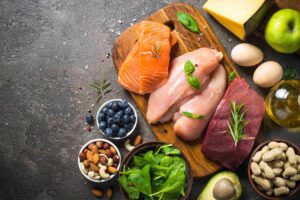
Best Protein-Rich Foods (Balanced & Realistic)
Complete proteins (contain all essential amino acids)
- Eggs
- Chicken or turkey
- Fish and seafood
- Greek yogurt
- Lean beef
- Soy (tofu, tempeh, edamame)
- Quinoa
Plant-based combinations that work great
- Beans + rice
- Hummus + whole-grain pita
- Lentils + grains
- Nut butters + bread
Even competitor pages emphasize variety over perfection — and that’s absolutely right .
You don’t need perfection — you need consistency and diversity.
Common Myths About Protein (Let’s Clear Them Up)
❌ Myth: “More protein always means more muscle.”
Muscle growth requires training + adequate calories + recovery — not just protein.
❌ Myth: “High-protein diets damage healthy kidneys.”
For healthy people, research shows no harm at typical athletic ranges — but medical conditions change this.
❌ Myth: “You can only absorb 30 grams at a time.”
Your body continues digesting and using protein beyond that. Distribution across meals is still beneficial.
How to Track Your Protein (Without Getting Obsessed)
Start simple:
1️⃣ Look at nutrition labels
2️⃣ Use a food scale occasionally
3️⃣ Track for 1–2 weeks until you understand patterns
4️⃣ Focus on habits — not perfection
Over time, you’ll be able to “eyeball” portions accurately — exactly the way trainers teach inside many fitness guides .
Final Thoughts: Your Ideal Protein Intake Is Personal
The goal isn’t to copy someone else’s numbers — it’s to support:
✔️ your goals
✔️ your health
✔️ your lifestyle
When your protein is dialed in, you’ll likely experience:
- better workout results
- fewer cravings
- improved recovery
- steadier energy
- easier weight management
And that’s the real win.